Category: display

  • Hockey and Canada’s Military

         During World War II several members of Canada’s National Hockey League enlisted in the Canadian Forces in support of the fight against the Nazis, but not all were sent to the front lines. Some became physical fitness instructors while others played on armed forces hockey teams.

         Today, several well-known hockey trophies and cups are named in recognition of players who fought in either World War I or World War II. In 1919, just after the end of World War I, the Memorial Cup was created to honour Canada’s war dead. Other memorial awards are the Abbott Memorial Cup, to honour Edward Abbott and the George Taylor Richardson Memorial Trophy. Conn Smythe, a veteran of World War I, and later owner of the Toronto Maple Leafs hockey team, enlisted in World War II at the age of 45. He was commanding an artillery battery in Normandy when he was wounded. The Conn Smythe Trophy, awarded to the most valuable player in the National Hockey League playoffs, is named in recognition of Conn Smythe. Walter “Turk” Broda, the well-known goalie, was born in Brandon of Ukrainian descent. Broda joined the Canadian Artillery in 1943. While Broda did go overseas he did not go into combat in Europe but did play football and hockey in Canadian military units.
  • Canada’s Military Hockey

         Early in World War I military hockey teams were formed in Canada. Games were held between battalions, between civilians and military members and between the different arms of the military. This tradition continued into the start of World War II. The Canadian government of the time encouraged hockey league games to continue in Canada to improve the morale of civilians and to encourage enlistment.

         For military members, hockey games increased camaraderie and positive civilian interaction. Rivalries between regimental hockey teams fostered unit “esprit de corps”. The games also provided needed entertainment to pass the often-long hours of boredom faced by serving members on bases. Hundreds of Canadian hockey players enlisted in the Canadian military in World War II and many paid the ultimate sacrifice.

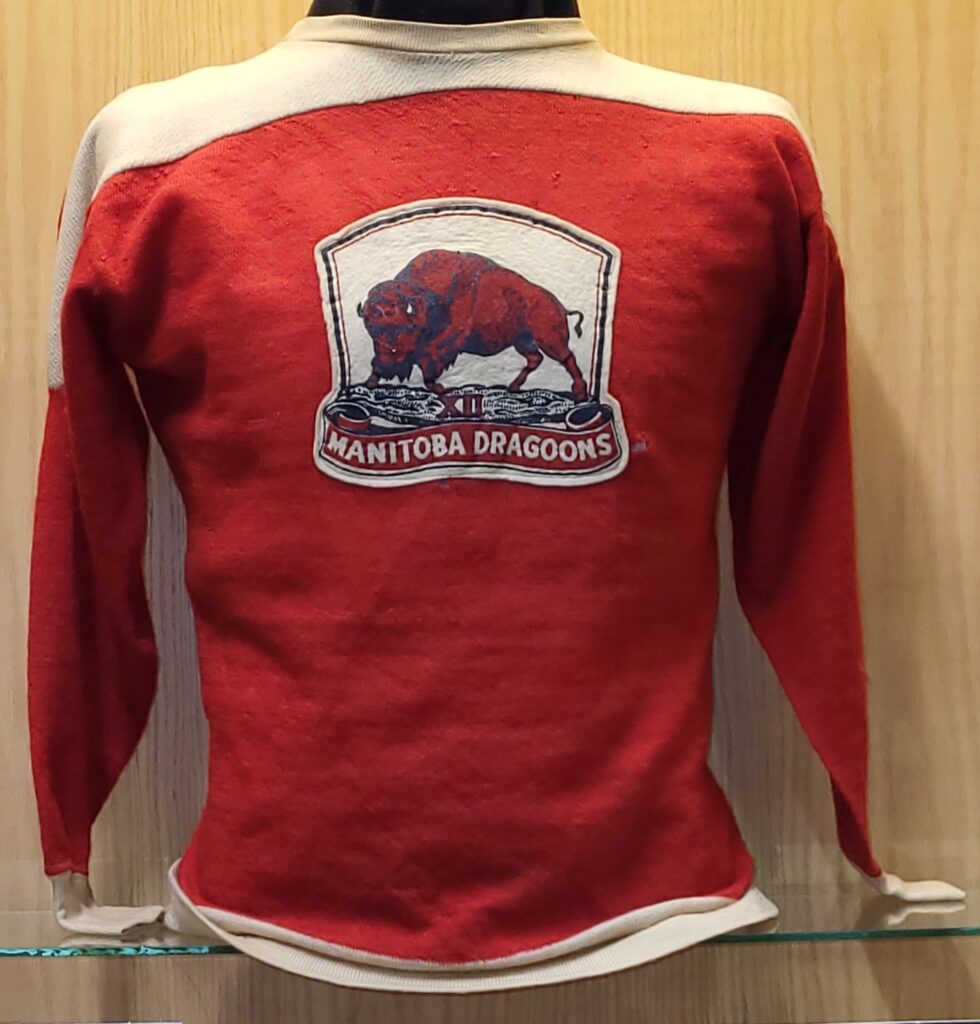
         During World War II, the XII Manitoba Dragoons’ hockey team participated in many overseas tournaments. Several games were played in the “Sportpaleis Antwerpen” in Antwerp, Belgium in March and April 1945.

         The XII Manitoba Dragoons hockey jersey displayed here was worn by #12 Cpl A.H. Somerton during World War II. Cpl Somerton can be seen in the hockey team photograph (fifth from the left).

         After World War II, the XII Manitoba Dragoons continued to play hockey in Virden, Manitoba. The current president of the 26 Field Regiment RCA / XII Manitoba Dragoons Museum, Don Berry (Col Retired), was a proud member of this team.

  • Monuments on Armoury Grounds

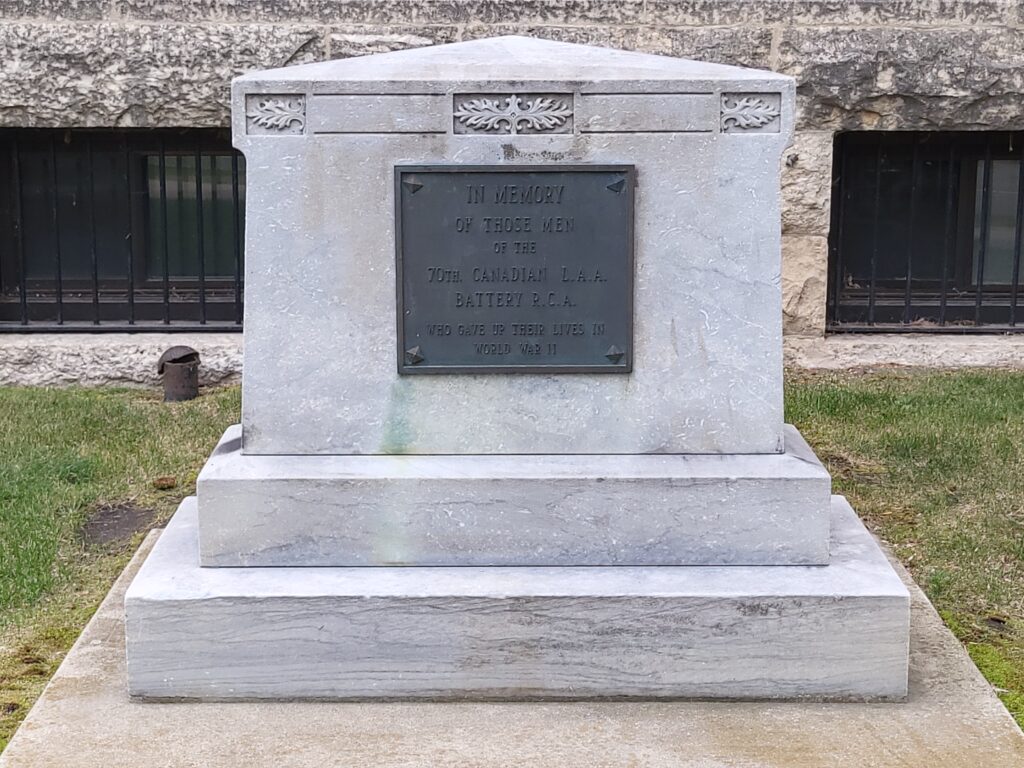
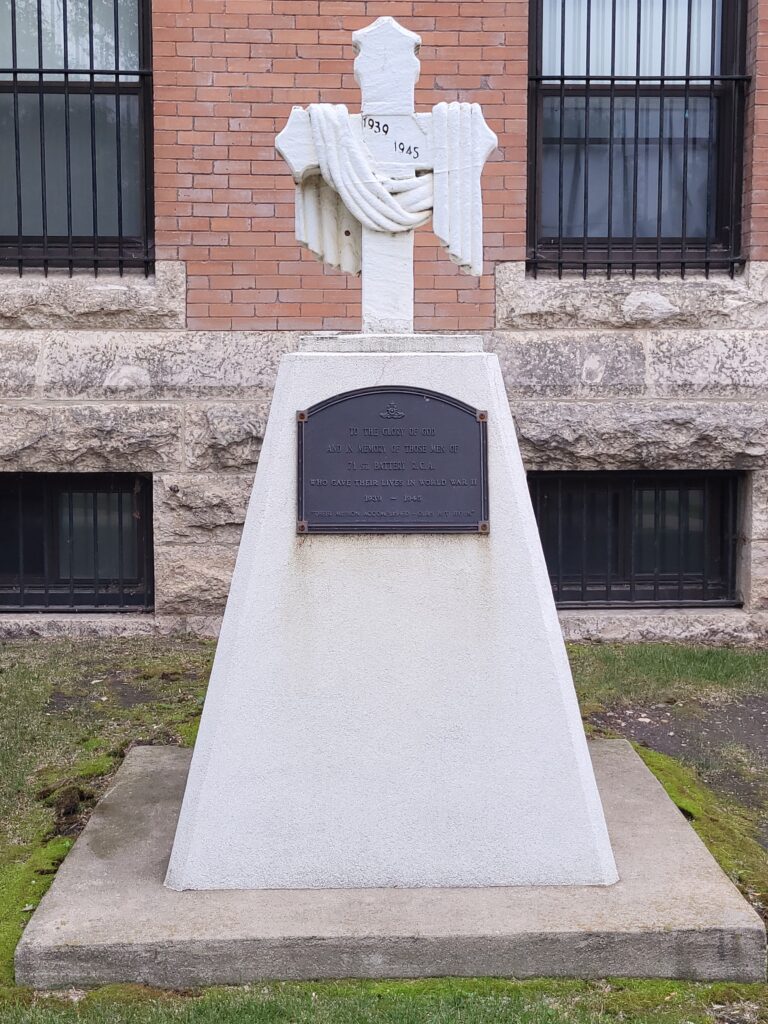
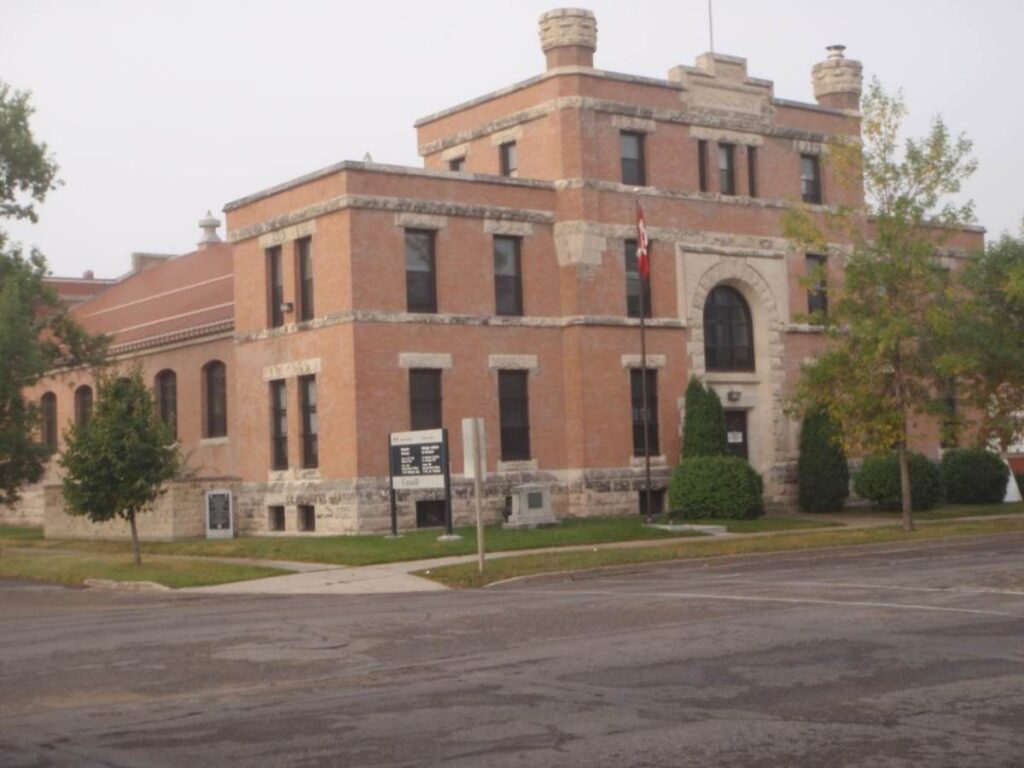
         The monument on the left side of the main Armoury entrance is dedicated to the members of the 70th Canadian Light Anti-Aircraft Battery Royal Canadian Artillery who fought and died during World War II. To the right side of the main entrance is another monument which is dedicated to the memory of the members of the 71st Battery Royal Canadian Artillery who perished in World War II. This monument was originally located on Princess Avenue in front of the former site of the Brandon City Hall. It was moved to its current location in front of the Armoury in the 1970s. Surviving members of the two batteries raised the funds to construct both monuments after the end of World War II.

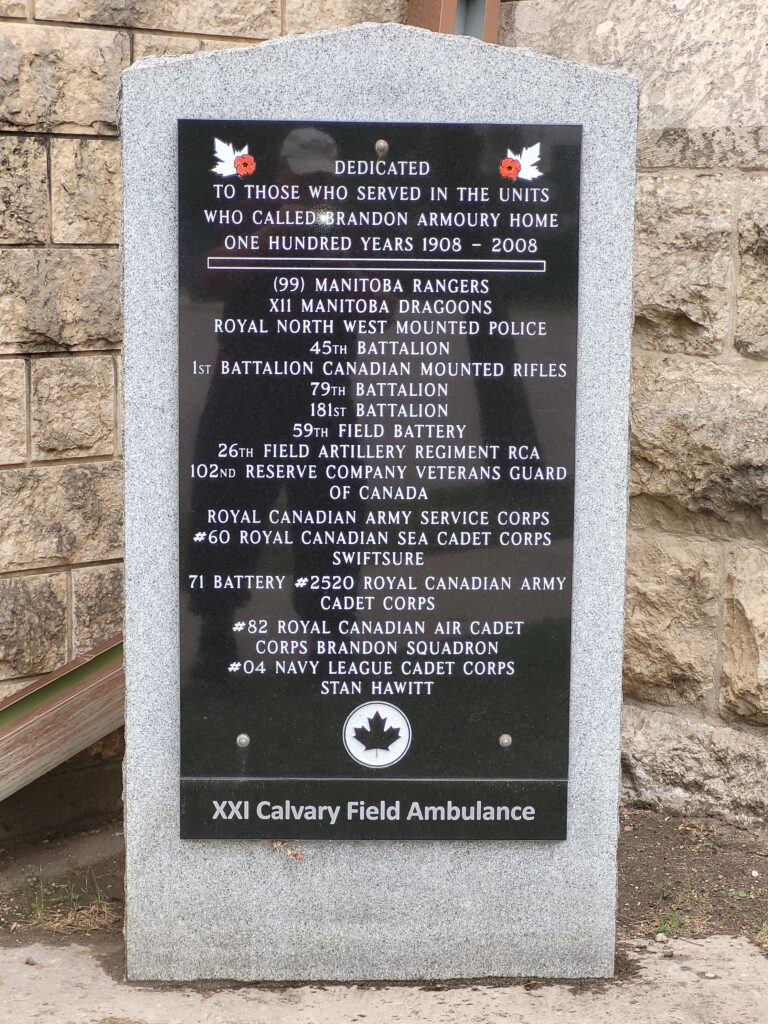
         The monument next to the Memorial Garden is dedicated to all those who served in the units which called the Brandon Armoury “home” over the 100 years from 1908 to 2008. It was sponsored by the 26th Field Regiment RCA / XII Manitoba Dragoons Museum. This monument was constructed in 2005.

  • LCol Edward Arthur Christopher Hosmer

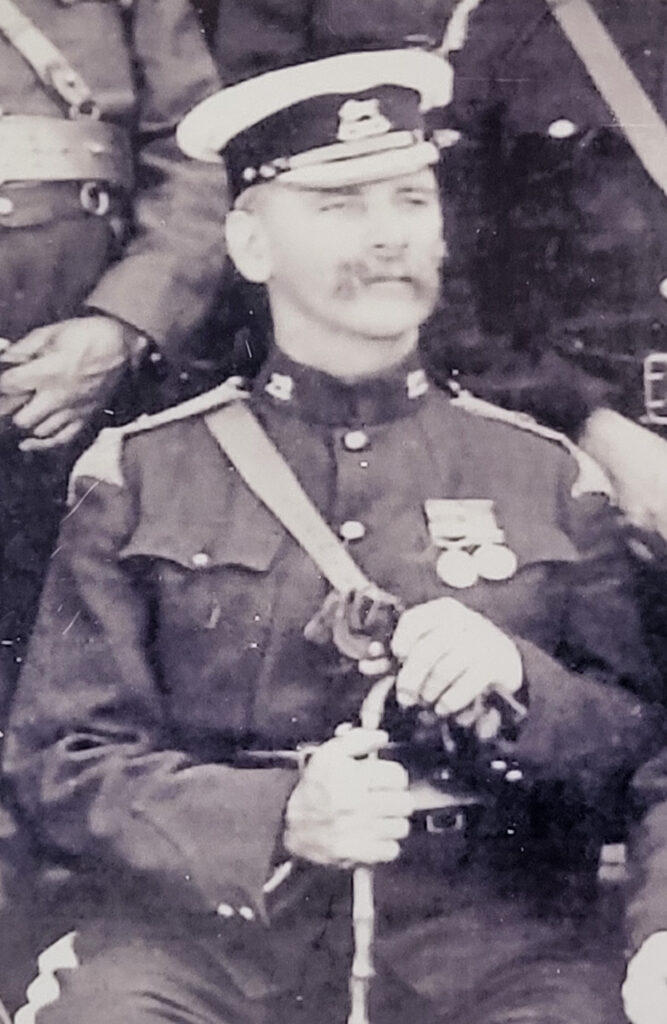
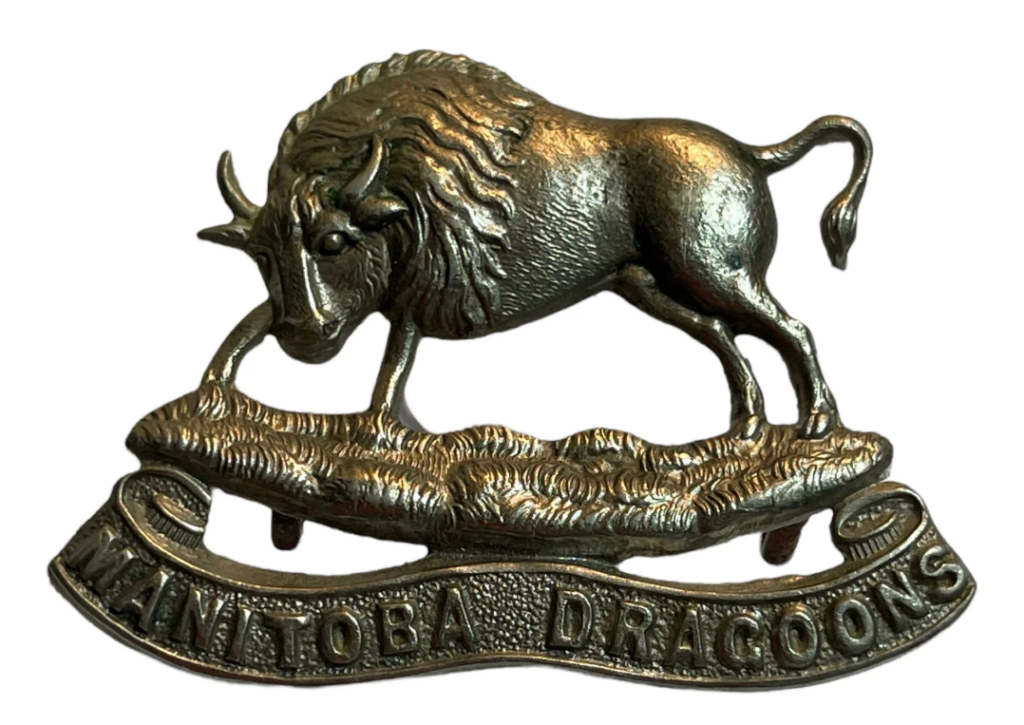
         Edward Arthur Christopher Hosmer was born in the Canary Islands in 1853. He later went to England for his education. After schooling, he enlisted in the Royal West Kent Regiment and served in South Africa from 1876 to 1885. He then came to Manitoba and farmed a 640 acre farm called “The Maples” just south of Virden. In 1890 he organized the Manitoba Dragoons. Later, he served as second-in-command of the Fifth Canadian Mounted Rifles in the Boer War. He served in the Canadian military during World War I but did not go overseas. LCol Hosmer was the first commanding officer of the XII Manitoba Dragoons (1903).

         He died at Winnipeg on 12 February 1921 and was buried in the Virden Cemetery. He is commemorated by Hosmer Boulevard in Winnipeg.

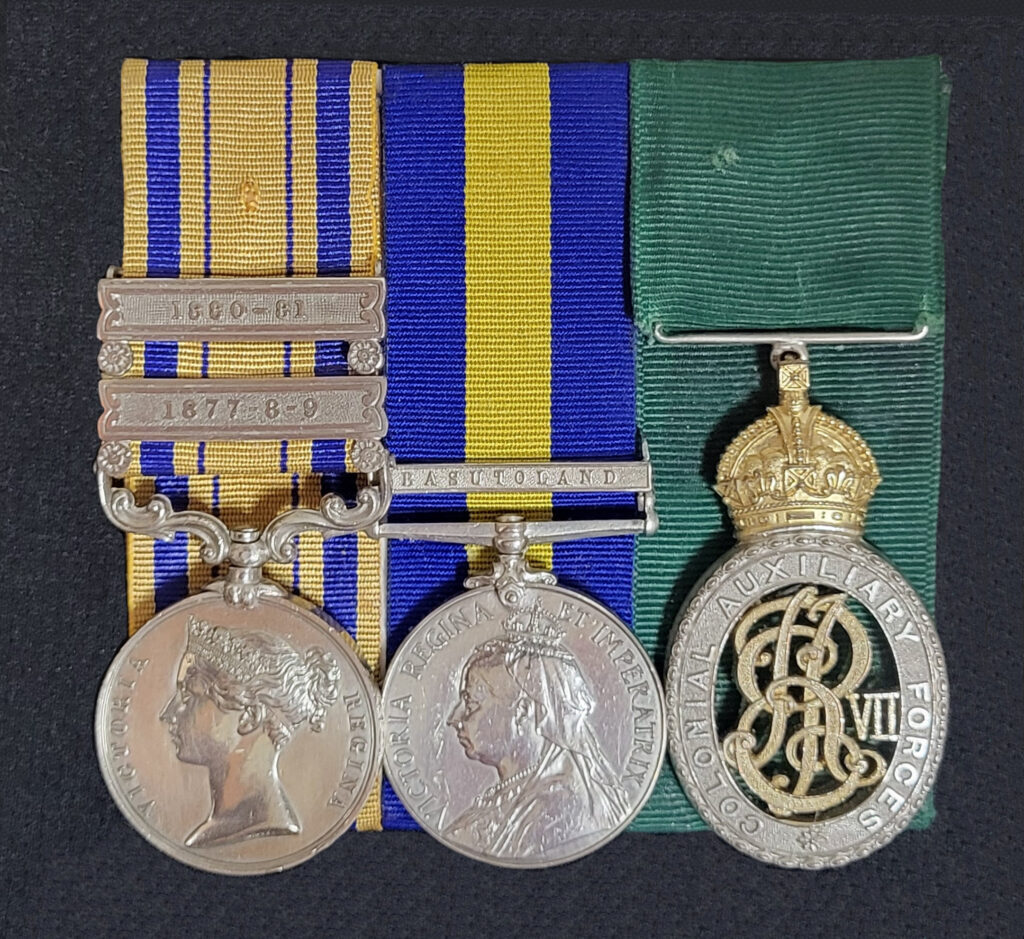
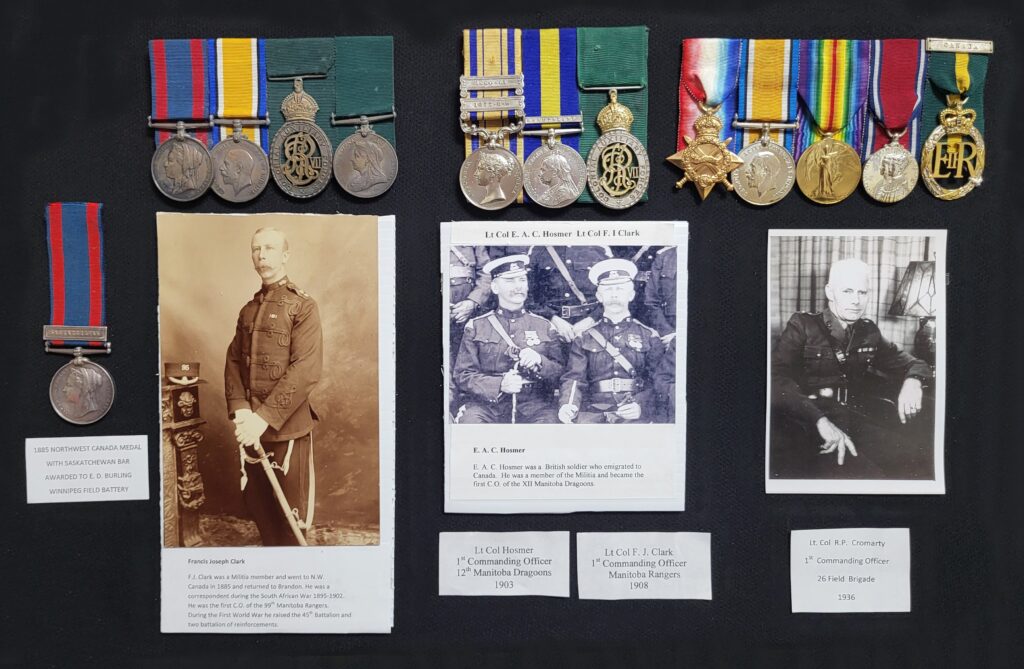
         LCol E.A.C. Hosmer’s military medals are (from left to right): the South African Medal with two bars, the Cape of Good Hope Medal with one bar and the Colonial Auxiliary Forces Officers Decoration – King Edward VII version.

  • LCol Robert Parker Cromarty

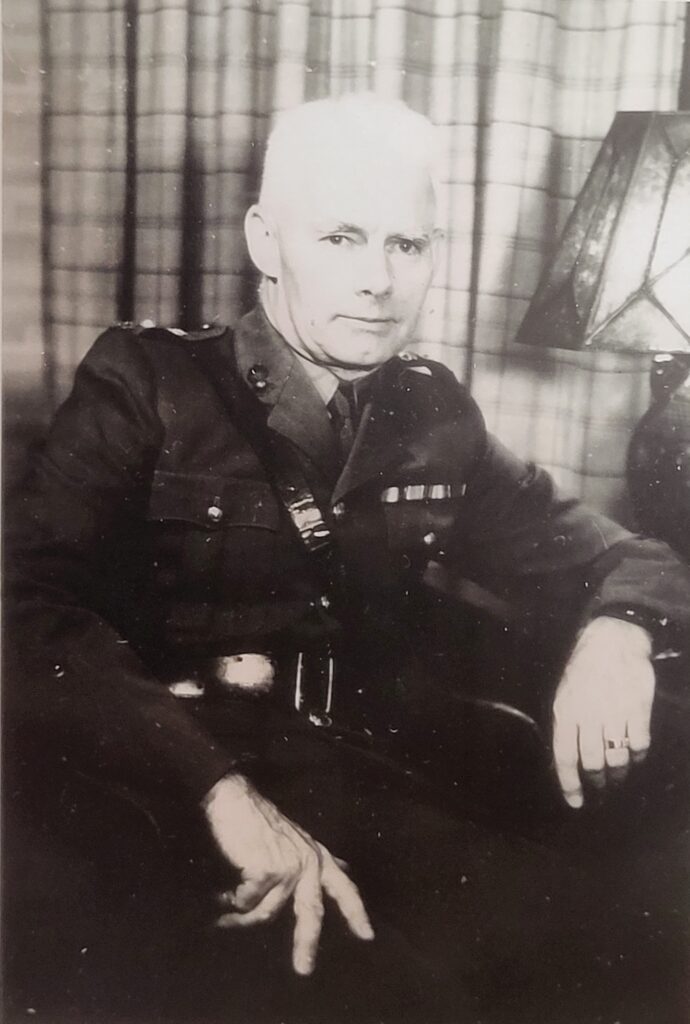
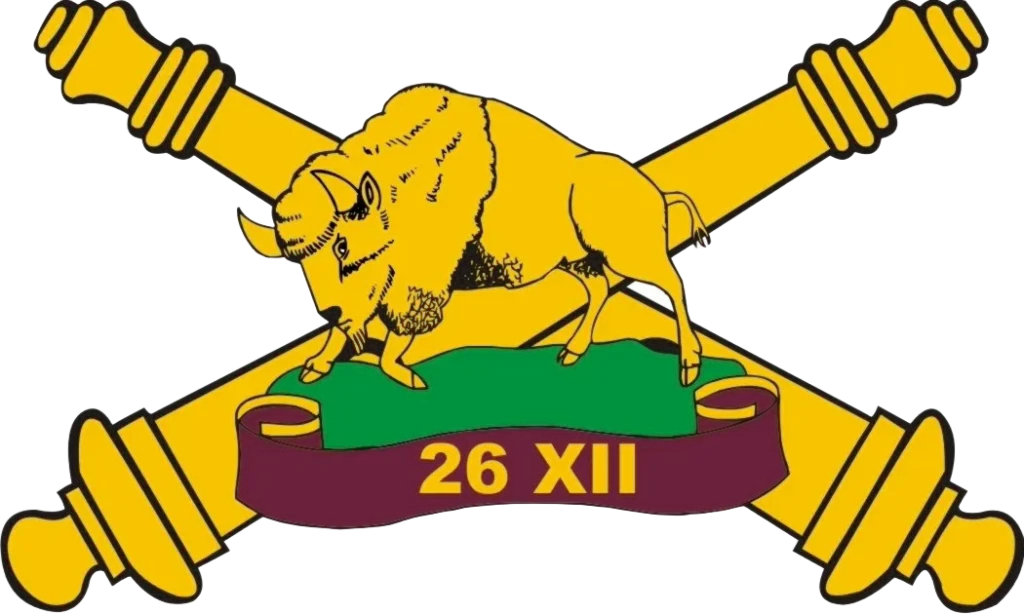
         Robert Parker Cromarty was born in Toronto in 1892. He took his schooling at McGill University and the University of Toronto. In 1915 he enlisted in the Canadian Expeditionary Force and served in the First World War as a member of the Canadian Medical Corps. He helped to design one of the first working gas masks, one of which is on display at the 26th Field Regiment / XII Manitoba Dragoons Museum. LCol R.P. Cromatry was the first commanding officer of 26th Field Regiment Royal Canadian Artillery (1916).

         He died in Victoria, British Columbia in 1977 and is buried in the Brandon Cemetery.

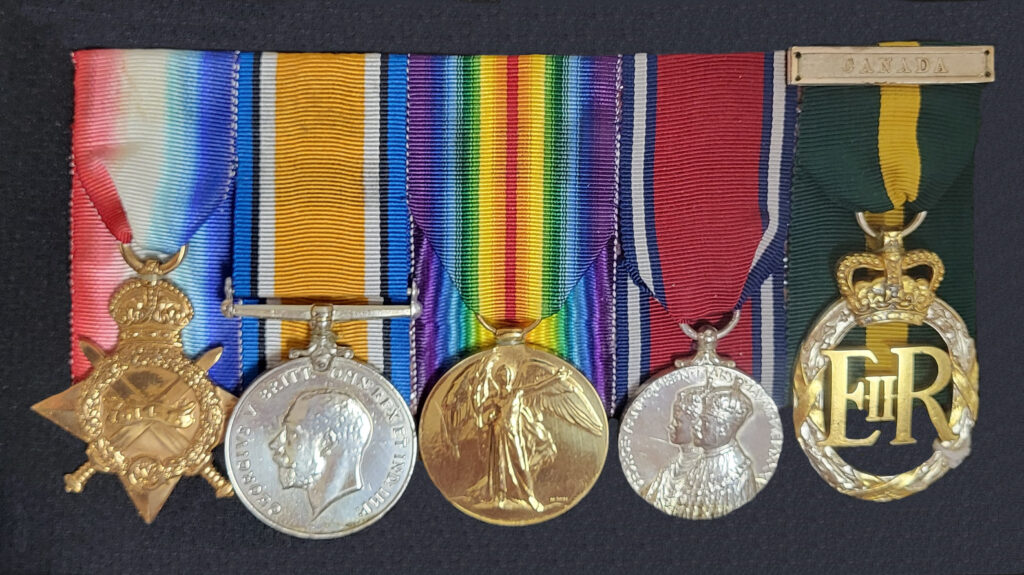
         LCol R.P. Cromarty’s military medals are (from left to right): 1914 Star (a campaign medal), the British War Medal World War I, the Inter-Allied Victory Medal (a campaign medal from World War I), King George V Silver Jubilee Medal (1935) and the Canadian Efficiency Decoration with bar.

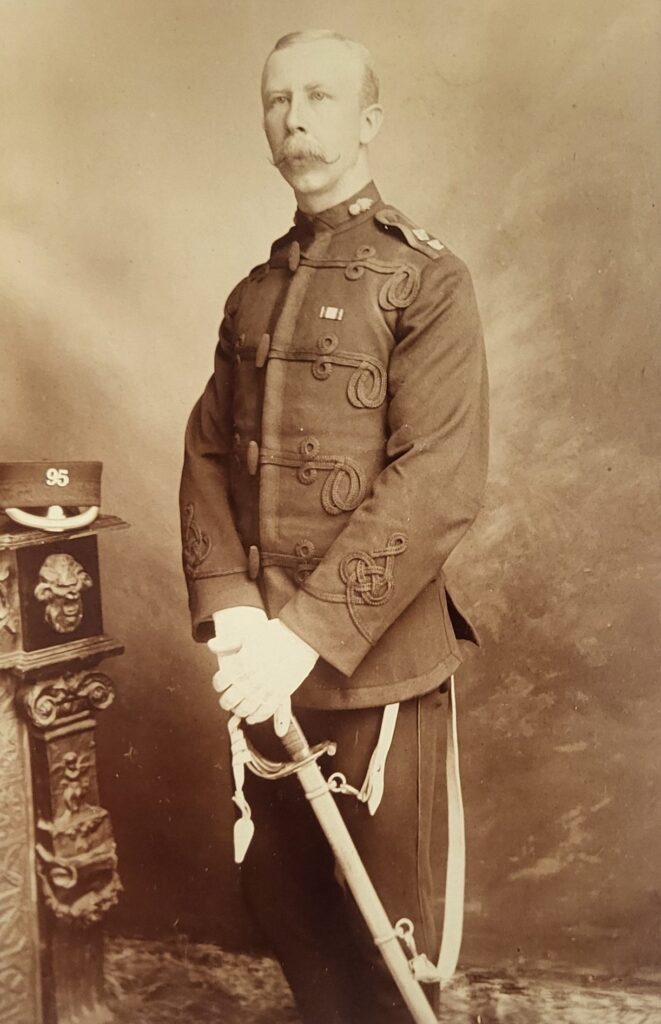
  • LCol Francis Joseph Clark

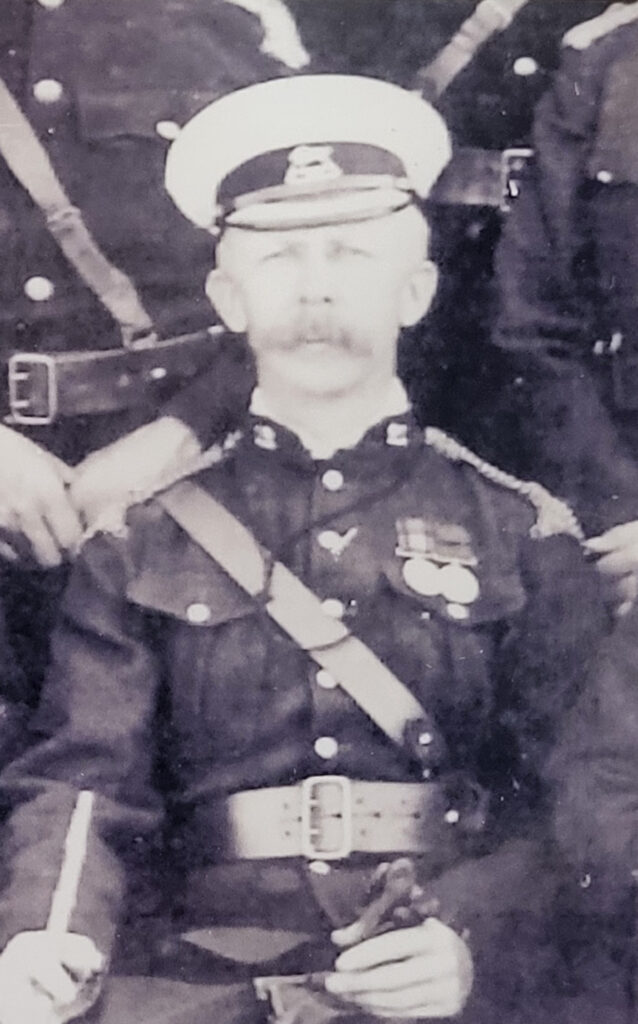
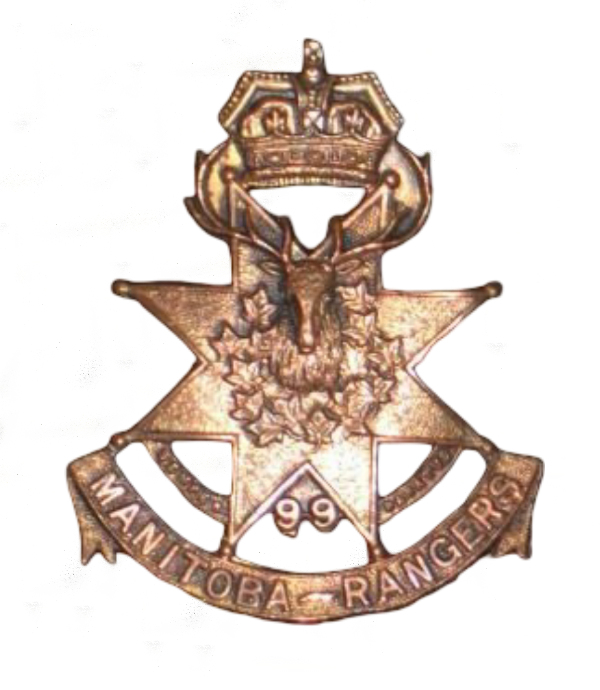
         Francis Joseph Clark was born in England in 1860. He came to western Manitoba in 1882 and farmed in the Carroll area. He later moved to Brandon and joined the Brandon Infantry Company as a private, rising to the rank of captain. When the Brandon Infantry Company was amalgamated with the Manitoba Dragoons in 1901, he took command and was promoted to major. In 1908, he was made Lieutenant Colonel. During the 1885 North West Rebellion, he served with the 95th Battalion and commanded a squadron in the Boer War in South Africa. During the First World War, he took the 45th Battalion overseas. LCol F.J. Clark was the first commanding officer of the 99th Manitoba Rangers (1908).

         He died in Brandon on 12 August 1953 and was buried in the Brandon Cemetery.

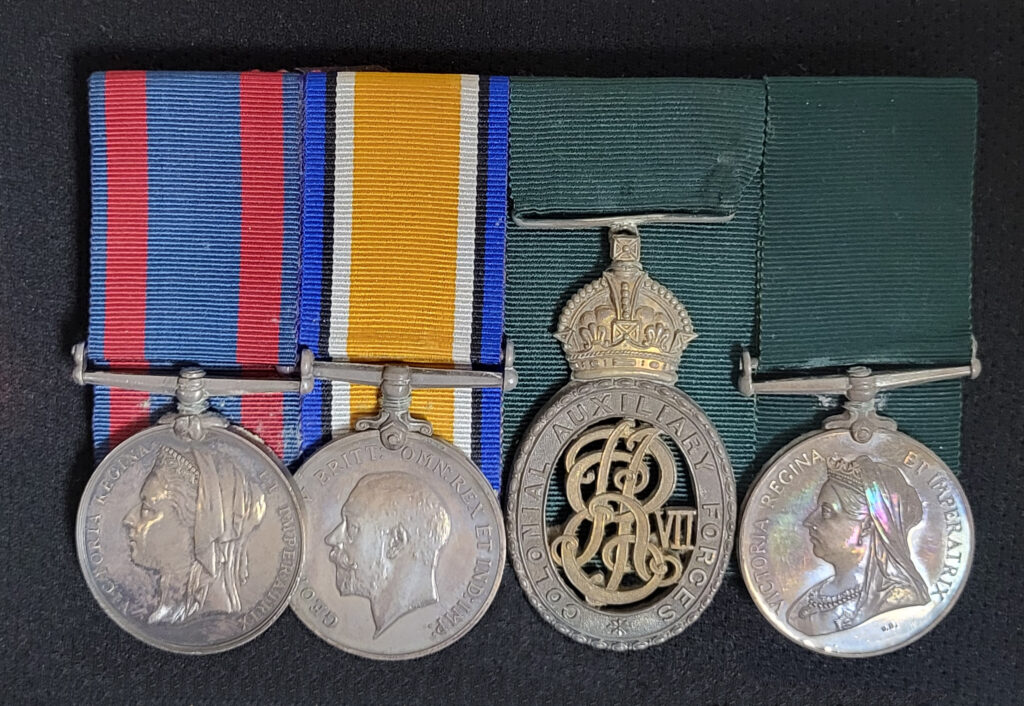
         LCol F.J. Clark’s medals are (from left to right): the North West Canada Medal, the British War Medal for World War I, the Colonial Auxiliary Forces Officers Decoration – King George VII version and the Colonial Auxiliary Forces Long Service Medal.

  • Gunner E.D. Burling

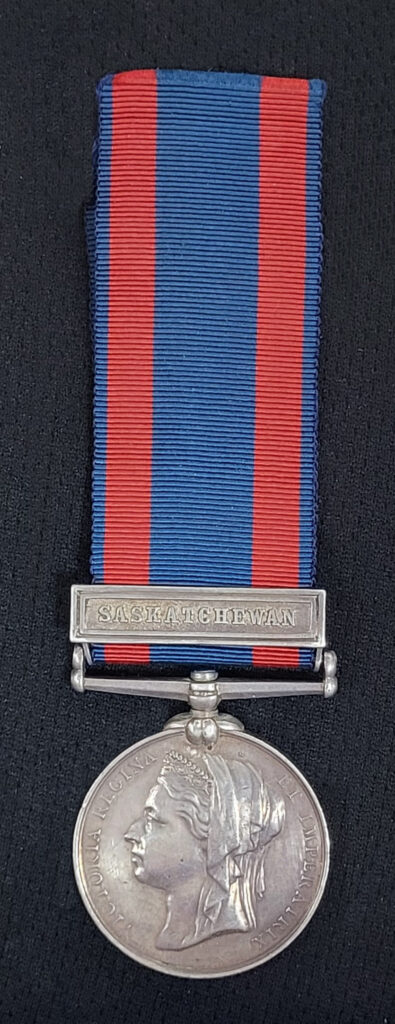
         Gunner E.D. Burling was an original member of the 99th Winnipeg Field Battery.  Gunner Burling was awarded the North West Canada (1885) Medal for his actions in subduing the North West Rebellion. The North West Canada Medal was a campaign medal awarded to militia members who served west of Port Arthur during the rebellion. The medal was also awarded to some volunteers who fought in the major action areas. This included the crew of the steamer “Northcote” for their service at the Battle of Batoche and members of the Prince Albert Volunteers who fought at Duck Lake. All these individuals were also given a grant of 320 acres or $80.00.

         Members of the North West Mounted Police (NWMP) who helped suppress the rebellion were only later included and were awarded the medal and a $300.00 grant.

         In 1886 a bar with the word “Saskatchewan” on it was awarded to anyone who took part in any of the main encounters which took place along the Saskatchewan River at Fish Creek, Batoche, Cut Knife and Frenchman’s Butte

         The 99th Winnipeg Field Battery of which Gunner Burling was a member became the 13th Field Battery and is now part of the 26th Field Regiment Royal Canadian Artillery. 13th Battery is currently located in Portage la Prairie and is the oldest artillery battery in western Canada.

  • XII Manitoba Dragoons Display

         On display are medals that go back to the North West Rebellion of 1885 and the South African Wars. The single medal on the left, the North West Canada Medal, a campaign medal, was awarded to Gunner E.D. Burling, an original member of the Winnipeg Field Battery which helped in actions against the Northwest Rebellion. The first commanding officer of the 99th Manitoba Rangers, LCol F.J. Clark’s picture and medals are to right. The centre photograph shows LCol E.A.C. Hosmer, first commanding officer of the XII Manitoba Dragoons (seated beside LCol F.J. Clark). His military medals are above the photograph. On the far right are a picture and medals of LCol R.P. Cromarty, the first commanding officer of the 26th Field Brigade Royal Canadian Artillery. Some of these medals were purchased and others donated. Many medals, pins and badges, generously donated by individuals and families, are in the top two drawers.

  • Brigadier General James Kirkcaldy

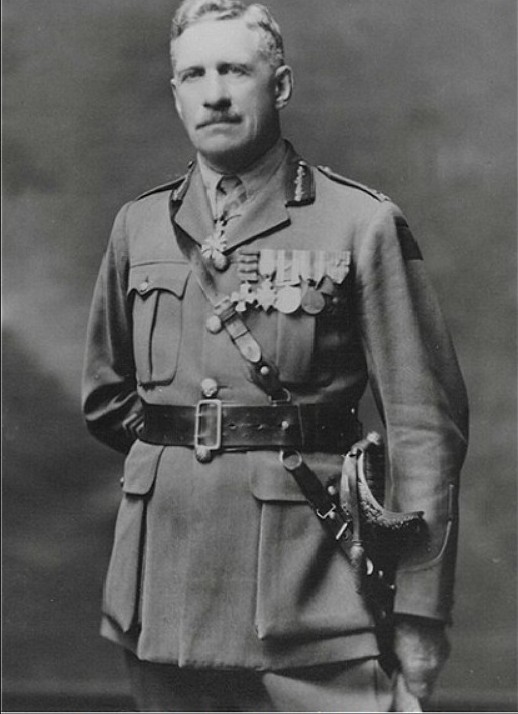
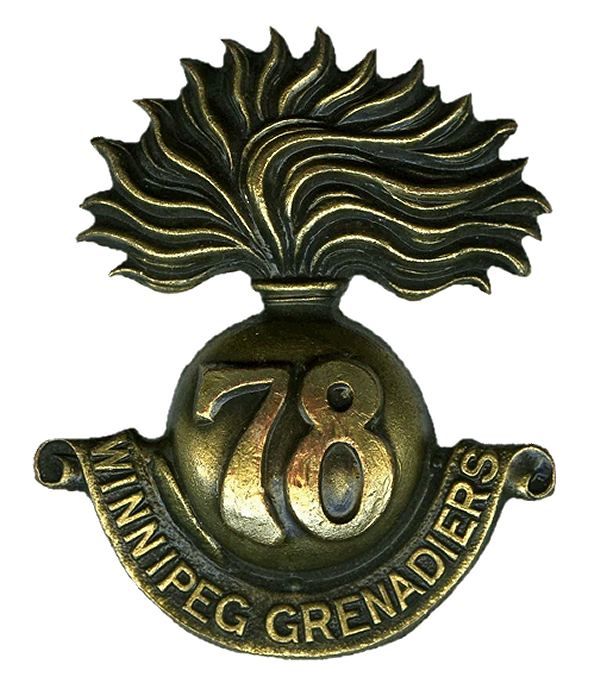
         James Kirkcaldy was born in Scotland in 1866. He came to Canada in 1891 and made Brandon his home. Kirkcaldy was the Chief of Police in Brandon for 13 years. He was a member of the Manitoba Dragoons and later a Major in the 99th Manitoba Rangers. At the outbreak of World War I in 1914, he joined the Canadian Expeditionary Force as a Major with the 8th Winnipeg Rifles. Kirkcaldy was wounded in France and returned to Canada to recover. During this time, he raised the 78th Battalion of the Winnipeg Grenadiers and returned to France in 1916. James Kirkcaldy saw action in many battles of World War I such as The Somme, Vimy Ridge and Passchendaele and later at Canal du Nord, Valenciennes and Mons.

         Kirkcaldy returned to Brandon in 1919 and held positions with Brandon City Council and the Brandon Winter Fair and Brandon Livestock Association.

         Kirkcaldy died in 1957 and is buried in the Brandon Cemetery. He is commemorated by Kirkcaldy Drive and Kirkcaldy Heights School in Brandon.

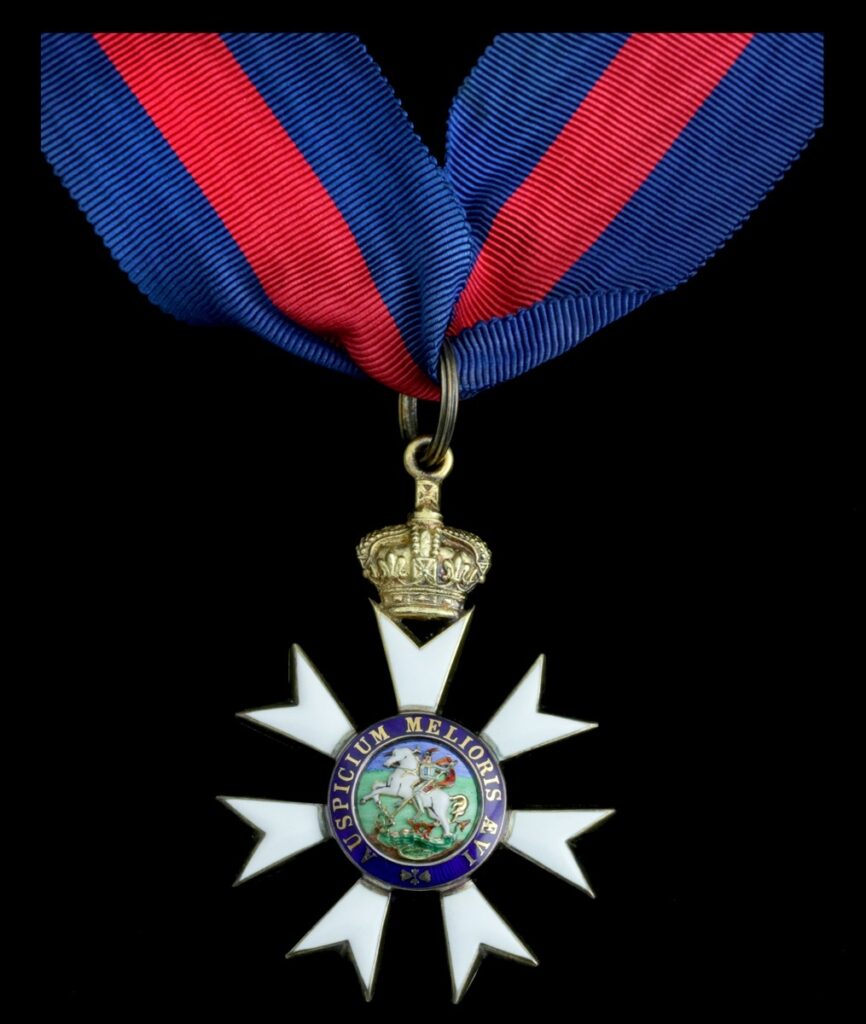
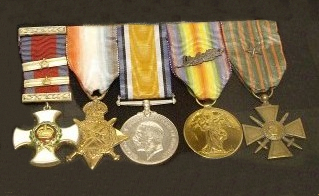
        Brigadier General James Kirkcaldy’s decorations and medals are, from left to right: The Companion of the Order of Saint Michael and Saint George, The Distinguished Service Order with 2 Bars, the 1914-1918 Star, the War Medal, the Inter-Allied Victory Medal and the French Croix de Guerre.

  • Brigadier General James Kirkcaldy Display

         This display commemorates Brigadier General James Kirkcaldy who was a member of the Manitoba Dragoons and the 99th Manitoba Rangers. Most of his military career was with the 8th Winnipeg Rifles and the 78th Battalion of the Winnipeg Grenadiers in France during World War I.  On display is a photograph of Brigadier General James Kirkcaldy, his identification tags and the World War I decorations and medals which he was awarded. The Imperial German Army bugle to the right was captured along with a frightened young signaller after Kirkcaldy voiced annoyance about the noise of the bugle.

         The drawers below contain many more interesting medals and artifacts.